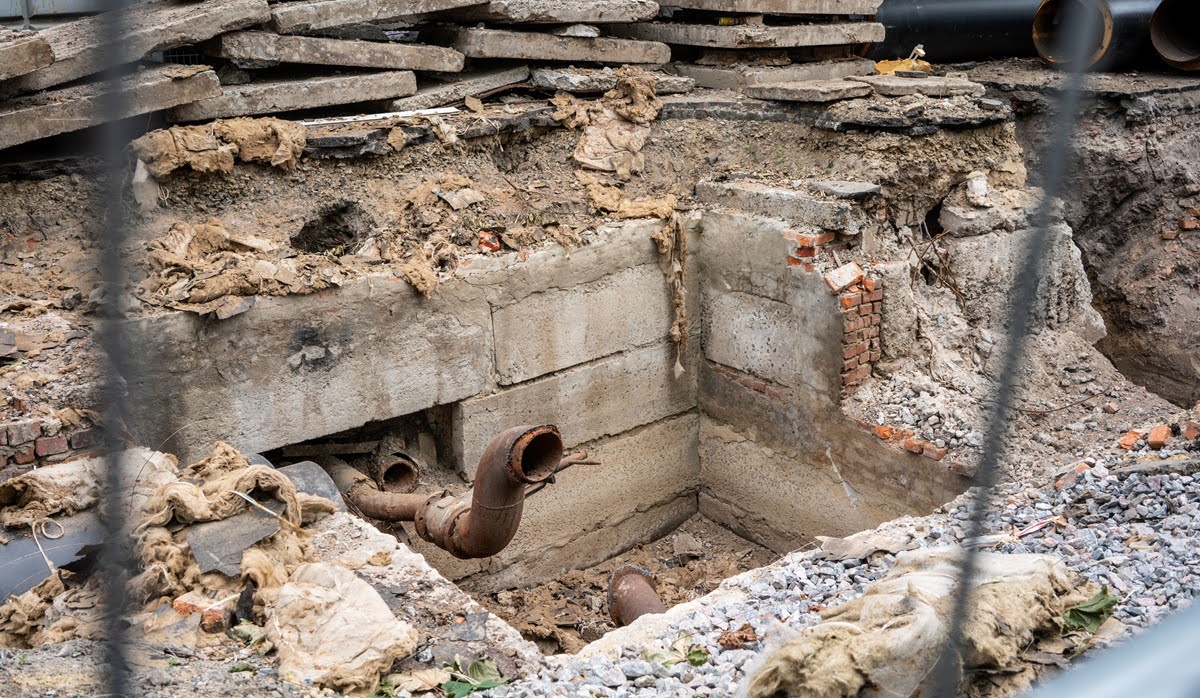
Recent Foundation Work in Jacksonville

4.6 out of 5 — 41 Google Reviews
“The quality of the workmanship really stands out: the concrete surface is smooth, level, and beautifully finished, with attention to detail around edges, drainage, and expansion joints. The stamped design and coloring look high-end and have already drawn compliments from neighbors, while still feeling durable enough to handle Florida weather.”
“Roy and the crew took care of everything needed for our driveway pour and replacement. The stamped pattern looks great and was one of the main reasons we hired them after seeing our neighbor's driveway and patio. Highly recommended.”
“Would definitely recommend this company to anyone with concrete needs. They are professional. Website is clear and direct for quotes!”
Florida Is Different
What Foundation Repair Means in Northeast Florida
If you have moved here from the Midwest or Northeast, you may have heard "foundation repair" described as piering under a basement or crawlspace. None of that applies here. Jacksonville sits on Florida's coastal plain. Homes are built on concrete slabs poured directly on prepared soil. There is no below-grade living space to access.
What does cause problems in NE Florida:
- Expansive clay pockets. Duval County has a mix of sandy loam and pockets of expansive clay. Clay swells when wet and shrinks when dry, creating cyclical movement under the slab.
- Soil settlement. Poorly compacted fill soil placed before construction slowly compresses under the weight of the slab, causing uneven settling.
- Plumbing leaks under the slab. This is the single most common cause of slab problems in Jacksonville. Cast iron drain lines from the 1970s and 1980s corrode through. PVC supply lines develop pinholes. Water flowing under the slab over months or years washes fine soil particles away, creating voids the slab then drops into.
- Tree roots. Large oaks and other trees in older Jacksonville neighborhoods push against and under slab edges, displacing soil and lifting sections.
Identifying which cause is driving your symptoms determines the correct repair method. A proper assessment comes first.
Why Address It Quickly
Slab movement is progressive. A small differential settlement of 1/2 inch causes sticking doors. Left unaddressed for 12-18 months, that same settlement can grow to 2-3 inches, racking door frames out of square, cracking drywall along entire walls, and creating tile failure across a room.
If the cause is a plumbing leak, delay compounds the cost: more soil washes away, more void forms, and the eventual repair becomes more extensive.
Our standard: written assessment report with findings and recommendations delivered after inspection.
Recognize the Symptoms
Warning Signs Your Slab May Have Moved
These signs do not always mean a structural emergency, but each one warrants investigation. Several signs together are a strong indicator that the slab has moved differentially.
Doors and Windows Sticking
Interior doors that no longer latch or swing freely, and windows that bind in their frames, indicate that the structural frame has racked. The door frame is a parallelogram instead of a rectangle. This typically means one corner of the structure has settled relative to the others.
Drywall Cracks at Corners
Diagonal cracks radiating from the corners of door openings or window openings in drywall are a textbook sign of differential settlement. The crack runs at roughly 45 degrees following the tension line created when the frame distorts. Paint cracks at these corners that recur after patching confirm ongoing movement.
Sloped or Bouncy Floor
Place a marble on the floor. If it rolls steadily in one direction, your floor has measurable slope. A digital inclinometer (which we use during assessment) can quantify this precisely. A slope of more than 1 inch over 10 feet across a room is a meaningful finding.
Diagonal Cracks in Exterior Block
Stair-step cracks following mortar joints diagonally across concrete block or brick exterior walls are a classic indicator of settlement. The crack starts at a low point of movement and travels upward as the block courses follow the tension path. These are different from vertical shrinkage cracks, which are less concerning.
Gaps at Wall-to-Ceiling or Wall-to-Floor
A visible gap opening between a wall and the ceiling, or between a wall base and the floor, indicates movement in two elements at different rates. This is particularly telling when the gap is widening over time. Photograph the gap with a ruler in frame and note the date. If it grows, call us.
Cracked Floor Tiles in a Pattern
Random isolated tile cracks from dropped objects are cosmetic. A pattern of cracked tiles running in a line across a room, often following or crossing grout lines at the same location, indicates the slab has a crack or flex point beneath the tile. The tile and grout have failed because the slab moved.
How We Work
Our Assessment Process
We do not quote foundation repair over the phone or by looking at a photo of a crack. Proper assessment requires an on-site visit with measurement tools. Here is what our assessment covers:
Perimeter Walk
We walk the full exterior perimeter documenting crack patterns in the foundation, exterior block or stucco, and visible soil separation or erosion at the slab edge. We note tree proximity and any grading that directs water toward the structure.
Interior Floor Level Measurement
We take floor elevation readings at a grid of points across the interior using a digital inclinometer. This produces a topographic picture of how the floor is sloping and where the low point is. Differential measurements of more than 1 inch between nearby points indicate meaningful settlement.
Crack Width and Pattern Documentation
We measure crack widths (hairline under 0.1mm, fine under 0.3mm, structural at 1mm+), document crack patterns (linear, Y-shaped, map cracking), and assess whether cracks are active or dormant. Active cracks show fresh edges; dormant cracks are stained and filled with debris.
Plumbing Pressure Test
Because an under-slab plumbing leak is the most common cause of slab settlement in Jacksonville, we perform a basic plumbing pressure test. If pressure drops over a hold period, there is likely a leak below the slab. We refer plumbing leak location and repair to a licensed plumber before we proceed with concrete repair.
Written Report
Our findings are compiled into a written assessment report with photographs, measurements, diagnosis, and a scope-of-work recommendation with fixed pricing. You receive this after the site visit. The report is yours to keep regardless of whether you hire us.
A Note on Soil Probing
When surface evidence suggests a void may have formed under the slab, we can perform a soil probe at strategic locations. A thin probe rod is driven through a small core hole in the slab to detect whether fill material is present or a void exists. This guides our recommendation on whether mudjacking or foam lifting is appropriate.
Soil probing is not always necessary. When symptoms clearly indicate surface cracks from shrinkage (not settlement), a probe adds cost without information.
We include soil probing in the assessment when the evidence warrants it and discuss it with you before drilling any holes.
What We Repair
Foundation Repair Services We Provide
The right repair depends on what the assessment finds. We provide all of the following services and will recommend only what your specific situation requires.
Slab Crack Injection
Structural cracks are injected under pressure with either polyurethane foam or epoxy resin. Polyurethane expands to fill irregular crack widths and provides flexible sealing for cracks that may still have minor movement. Epoxy provides a rigid, high-strength bond appropriate for cracks that have stabilized and are in compression.
We differentiate structural cracks from cosmetic surface cracks during assessment and treat them accordingly. Cosmetic cracks are surface-patched after structural work is complete.
Void Filling and Slab Lifting
When a void exists under a settled slab, we fill it and raise the slab back toward its original elevation. Two methods:
Mudjacking: A cement-soil slurry is pumped under pressure through 1.5-inch holes drilled in the slab. The slurry fills voids and creates hydraulic pressure that lifts the slab. Economical, heavy.
Polyurethane foam lifting: Two-component foam injected through 5/8-inch holes expands rapidly, filling voids and lifting the slab within minutes. Less weight added to the sub-base, faster return to service.
Helical Pier Installation
Where significant differential settlement requires lifting and stabilizing the structure against future movement, helical piers (screw piles) are driven through soft upper soil layers until the tip reaches load-bearing stratum. Hydraulic torque equipment drives the piers; the pile rotation during installation tells us the bearing capacity at each pier.
Piers are then used to lift and lock the foundation at the corrected elevation. This is the most durable and engineerable solution for significant settlement. Permit required; we pull it under FL CBC1269043.
Concrete Repair and Overlay
After structural repair, surface crack filling, patch work, and thin-overlay leveling can restore the concrete surface. We use polymer-modified cementitious mortars for patches and self-leveling underlayment for minor elevation correction before tile or flooring installation. Surface repair is cosmetic only; structural issues must be addressed first.
Permit Pulling
General Contractor license FL CBC1269043 allows us to pull structural permits through Duval County Building Inspection Division. Structural foundation repairs require permits and inspections. We manage the permit application, scheduling, and final inspection. You receive a closed permit in Duval County records, which matters when you sell the home.
What We Do Not Do
We are concrete contractors, not plumbers. If our assessment finds an active under-slab plumbing leak, we will tell you and refer you to a licensed plumber to locate and repair the leak first. Repairing the concrete while a leak continues is wasted money.
We also do not fabricate urgency. If what we find does not warrant repair, we will tell you that as well.
Method Comparison
Mudjacking vs. Polyurethane Foam Lifting
Both methods lift settled concrete slabs from below. Both are minimally invasive compared to full slab replacement. The right choice depends on your slab type, access, budget, and how quickly you need the area back in service.
Mudjacking (Slabjacking)
- Material: Cement-soil-water slurry mixed on site
- Hole size: 1.5 to 2-inch drill holes
- Set time: 24-48 hours before loading
- Weight added: Significant (slurry is heavy)
- Best for: Large slabs, garage floors, pool decks where weight is acceptable and cost sensitivity is high
- Cost: Lower cost per square foot
- Longevity: 10-15 years when underlying cause is fixed
Mudjacking has been used successfully for decades and remains a sound choice for the right application. The heavier slurry can add load on already-compromised sub-base soils, which is a consideration in some situations.
Polyurethane Foam Lifting
- Material: Two-component expanding polyurethane foam
- Hole size: 5/8-inch drill holes (less visible)
- Set time: 15-30 minutes before light loading; 1-2 hours to full strength
- Weight added: Minimal (foam is very light)
- Best for: Interior residential slabs, areas needing fast return to service, situations where added sub-base weight is a concern
- Cost: Higher cost per square foot
- Longevity: Indefinite if underlying cause is fixed; foam does not wash away or compress
Foam is particularly suited for interior applications where dust and mess from mudjacking are undesirable. The smaller holes patch more cleanly.
Making the Call
When to Repair vs. When to Replace
Not every slab problem requires full replacement, and we will not recommend it unless it is genuinely warranted. Here is our general decision framework:
Repair is typically appropriate when:
- Cracks are less than 1/4 inch wide with no active plumbing leak
- Differential settlement is less than 2-3 inches across the slab
- Settlement is localized to one area of the slab
- The underlying cause (e.g., plumbing leak) has been or can be fixed before repair
- The slab itself is structurally intact aside from settlement
Replacement may be warranted when:
- A plumbing failure has washed away large amounts of sub-base soil, leaving extensive voids
- The slab has broken into multiple sections with relative movement between them
- Rebar has corroded through and the slab has lost structural integrity
- Settlement affects the entire slab area and multiple lifts would be required
- The slab was poured at inadequate thickness or without reinforcement and has failed accordingly
What We Will Tell You Honestly
Our written assessment report will tell you which category your slab falls into and why. If your slab only needs cosmetic crack repair, we will say so. If it needs mudjacking, we will scope it precisely. If it needs replacement, we will explain the evidence for that recommendation.
We do not upsell to replacement when repair is sufficient, and we do not undersell a repair job when replacement is the honest answer.
Matthew Cartwright, our owner, reviews every assessment report personally before it leaves our office.
Common Questions
Foundation Repair FAQ
How do I know if my foundation problem is serious? +
Settlement causing a sticking door or window should be inspected promptly -- don't wait to see how it progresses. Hairline cracks in drywall that appear after a very dry or very wet season may simply reflect wood framing movement from humidity and can often be monitored rather than immediately repaired. If you have both a door that no longer closes AND a floor that feels sloped in the same area, that combination is a stronger indicator of actual foundation movement and warrants a call to us for an on-site assessment. When in doubt, document with photographs (with a ruler in frame and a date stamp) and monitor over 30-60 days. If cracks are growing, call us.
How long does mudjacking last? +
When the underlying cause of settlement is corrected, mudjacking typically lasts 10 to 15 years. The slurry hardens and creates a stable sub-base that supports the slab. The critical factor is whether the root cause was addressed. If your slab settled because of an under-slab plumbing leak and the leak has not been fixed before mudjacking, the flowing water will continue to wash out soil and the raised slab will settle again, often within a year or two. We require plumbing issues to be repaired prior to proceeding with mudjacking or foam lifting.
Does homeowners insurance cover foundation repair? +
It depends on the cause and your specific policy. Settlement from soil movement, clay shrinkage/swelling, or tree root pressure is generally classified as gradual earth movement and is typically excluded from standard homeowners insurance in Florida. However, a sudden under-slab plumbing failure that causes rapid settlement may be covered under your water damage or dwelling coverage, depending on the circumstances and policy language. We strongly recommend thorough documentation from the moment you notice symptoms -- photographs, written timeline, and an assessment report -- to support any claim you file. Do not delay documentation; insurers look at whether the damage appears sudden or gradual.
Do I need a permit for foundation repair in Jacksonville? +
Structural repairs -- including helical pier installation, mudjacking or foam lifting that involves lifting the structure, and slab reinforcement -- require a permit from Duval County Building Inspection Division. Cosmetic crack repair (surface patching only, no structural element involved) generally does not require a permit. Our assessment report will specify which category each recommended repair falls into. We pull all required permits under our General Contractor license FL CBC1269043 and schedule the required inspections. All structural repair work is inspected and documented in county records.
Get Started
Schedule a Foundation Assessment
Fill out the form below. A member of our team will contact you within one business day to schedule your on-site assessment. Written findings delivered after the visit.
FL CBC1269043 • Licensed • Insured • Written fixed-price quote
Serving Jacksonville Since 2013
Concerned About Your Slab? Call Today.
Seamless Concrete Contractors provides honest, documented foundation assessments throughout Duval County. We tell you what we find, not what earns the biggest repair ticket.
FL CBC1269043 • Licensed • Insured • Written fixed-price quote
Concrete specifications for slab repairs and re-pours
When a failed slab section is removed and re-poured, we rebuild it to full structural specification so the repair ties in and lasts.
Specifications reflect our standard residential practice and adjust to your site conditions, local soil, and Florida Building Code. The exact mix design and reinforcement are confirmed in your written quote.
Why the Right Concrete Contractor Matters in Jacksonville
The cheapest quote is rarely the cheapest job. Here is how a licensed, in-house crew compares to the day-crews and unlicensed pours common across Duval County.
The Seamless Standard
Every driveway, patio, and slab we pour is built on a properly compacted sub-base, jointed to control cracking, and mixed to Florida Building Code. If our workmanship fails structurally, we come back and make it right, in writing, on every project.
Built for Florida wind loads and coastal salt air
Northeast Florida sits in a hurricane-exposed wind zone. Under the Florida Building Code and ASCE 7, most of Duval County is designed for ultimate wind speeds near 130 mph, and higher out at the beaches. A slab and foundation do more than carry weight; they anchor the structure against wind uplift and lateral load. We detail the slab-to-wall connection with the cast-in anchor bolts or embedded straps the code requires, pour a thickened, reinforced edge or monolithic footing at the correct depth, and place a 4,000 PSI mix with #4 rebar so storm uplift is carried back into the ground rather than into the walls.
Coastal salt air and brackish groundwater drive chloride and sulfate attack on concrete and its reinforcing steel. For work near the coast we specify Type II moderate-sulfate-resistant Portland cement, keep the water-to-cement ratio low for a denser, less permeable pour, and hold adequate concrete cover over the rebar so salt cannot reach and corrode the steel. Drainage is the last line of defense: we grade the site so stormwater and heavy rain move away from the foundation, a minimum fall of six inches over the first ten feet, which prevents the soil saturation, hydrostatic pressure, and erosion that undermine a slab during a storm.
Serving All of Jacksonville and Duval County
From the Beaches to the Westside, Northside to Mandarin. Plus Nassau, St. Johns, and Clay counties.